
Your home’s plumbing system is one of its most important yet often overlooked components. From delivering clean water to safely removing waste, plumbing plays a vital role in maintaining comfort, hygiene, and functionality. However, without proper care, even small issues can turn into costly repairs.
By following the best plumbing practices for long-term home care, you can protect your system, save money, and ensure everything runs smoothly for years to come. This guide will walk you through practical and effective ways to maintain your plumbing system and avoid common problems.
Understand Your Plumbing System
The first step in proper plumbing care is understanding how your system works. You don’t need to be an expert, but having basic knowledge can help you identify problems early.
A typical home plumbing system includes:
- Water supply lines
- Drainage and waste systems
- Fixtures like sinks, toilets, and showers
- Water heaters
Knowing where your main shut-off valve is located is especially important. In case of a leak or emergency, turning off the water quickly can prevent major damage.
Fix Leaks Immediately
One of the most important plumbing practices for long-term home care is addressing leaks as soon as they appear. Even a small drip can waste a significant amount of water over time and lead to bigger issues.
Common signs of leaks include:
- Dripping faucets
- Water stains on walls or ceilings
- Unexpected increases in water bills
- Damp or musty odors
Fixing leaks early prevents structural damage and reduces water waste, saving you money in the long run.
Avoid Clogging Your Drains
Clogged drains are one of the most common plumbing issues homeowners face. Fortunately, they are also one of the easiest to prevent.
To keep your drains clear:
- Avoid pouring grease or oil down the sink
- Use drain strainers to catch hair and debris
- Dispose of food waste properly instead of rinsing it away
- Avoid flushing non-degradable items down the toilet
Practicing these habits helps maintain smooth water flow and prevents costly blockages.
Perform Regular Plumbing Inspections
Routine inspections are key to long-term plumbing care. By checking your system regularly, you can catch small problems before they become major repairs.
Inspect areas such as:
- Under sinks for leaks
- Pipes for corrosion or damage
- Water pressure levels
- Toilet and faucet performance
Even a quick monthly check can make a big difference in maintaining your plumbing system.
Maintain Your Water Heater
Your water heater is an essential part of your plumbing system, and proper maintenance can extend its lifespan.
Some useful maintenance tips include:
- Flushing the tank to remove sediment buildup
- Checking the temperature setting (ideally around 120°F or 49°C)
- Inspecting for leaks or rust
Regular maintenance ensures your water heater runs efficiently and provides consistent hot water.
Protect Pipes from Damage
Pipes can be damaged by various factors, including temperature changes, pressure, and wear over time. Implementing preventive measures can save you from expensive repairs.
For example:
- Insulate pipes in cold areas to protect them from freezing.
- Avoid placing heavy objects on exposed pipes
- Ensure proper water pressure to prevent strain
Protecting your pipes is an important part of long-term home care.
Be Mindful of Water Pressure
Water pressure that is too high can put stress on your plumbing system, leading to leaks or pipe damage.
If you notice strong water flow, banging noises in pipes, or frequent leaks, it may be a sign of high pressure.
Installing a pressure regulator can help maintain safe levels and protect your plumbing system over time.
Upgrade Old Plumbing Fixtures
Old plumbing fixtures can be inefficient and more likely to cause issues. Upgrading to modern fixtures improves both performance and water efficiency.
Consider replacing:
- Old faucets with water-saving models
- Outdated toilets with low-flow versions
- Worn-out pipes with more durable materials
These upgrades not only enhance functionality but also reduce water usage and maintenance costs.
Know When to Call a Professional
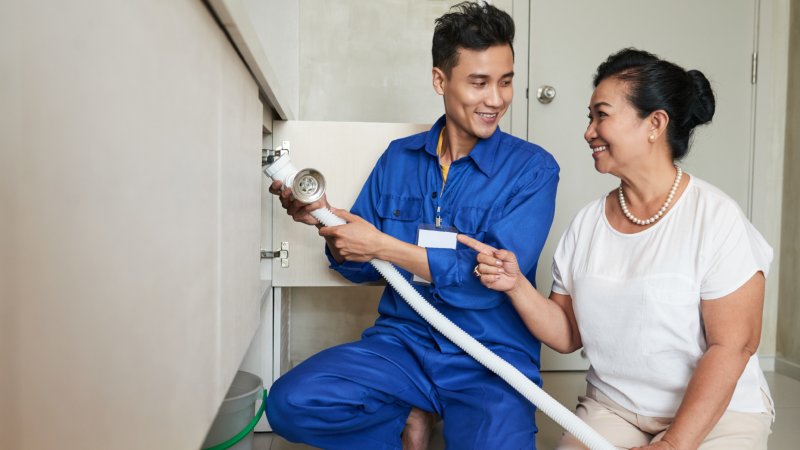
While you can handle minor plumbing issues, more complex problems require a professional. Ignoring serious issues can lead to bigger problems and expensive repairs.
Call a plumber if you experience:
- Persistent leaks
- Major clogs that won’t clear
- Low water pressure throughout the home
- Strange noises in pipes
Hiring a professional ensures the issue is resolved safely and accurately.
Practice Preventive Maintenance
Preventive maintenance is the foundation of the best plumbing practices for long-term home care. Small actions taken regularly can prevent large issues in the future.
Simple habits include:
- Running hot water through drains weekly
- Cleaning showerheads and faucets
- Checking for signs of wear or damage
- Scheduling annual professional inspections
Consistency is key when it comes to maintaining your plumbing system.
Final Thoughts
Following the best plumbing practices for long-term home care helps ensure your home remains safe, efficient, and comfortable. By staying proactive, fixing issues early, and maintaining your system regularly, you can avoid costly repairs and extend the life of your plumbing.
Remember, a well-maintained plumbing system not only protects your home but also improves your daily quality of life. With the right care and attention, your plumbing can continue to function smoothly for many years to come. 🚿✨